



What Demanding Spaces Teach Us About Durability

When you think about furniture used by the U.S. military, soft seating probably isn't the first thing that comes to mind.
But consider some of the environments where that furniture actually ends up.
Through the Department of Defense Education Activity (DoDEA), the U.S. Department of Defense operates schools serving military-connected children around the world. These are busy, active spaces used every day by students, teachers, staff and families.
That makes durability an important consideration when selecting soft seating.
Furniture has a job to do
In shared spaces, soft seating gets used in all kinds of ways.
It's a place to read, work, meet, wait or spend time between activities. A lounge chair might be used by dozens of people throughout the day, while a modular configuration may need to accommodate different uses as the space changes.
And unlike furniture at home, commercial furniture has to be ready for whoever uses it next.
That's where construction matters.
Furniture for high-use environments needs to be designed around how it will actually be used, including what happens after years of daily wear.

Built for real-world use
Durability has always been an important part of how we approach furniture at Flexxform.
It influences the materials we use, how our frames are built and how products can be maintained over time. Many of our collections are modular, allowing spaces to change without necessarily replacing the furniture along with them.
We also think about what happens when something eventually wears. Being able to repair or reupholster furniture can extend its useful life and keep it in service longer.
These details may not be the first things you notice when looking at a new piece of furniture, but they can make a significant difference over its lifetime.

Looking beyond installation day
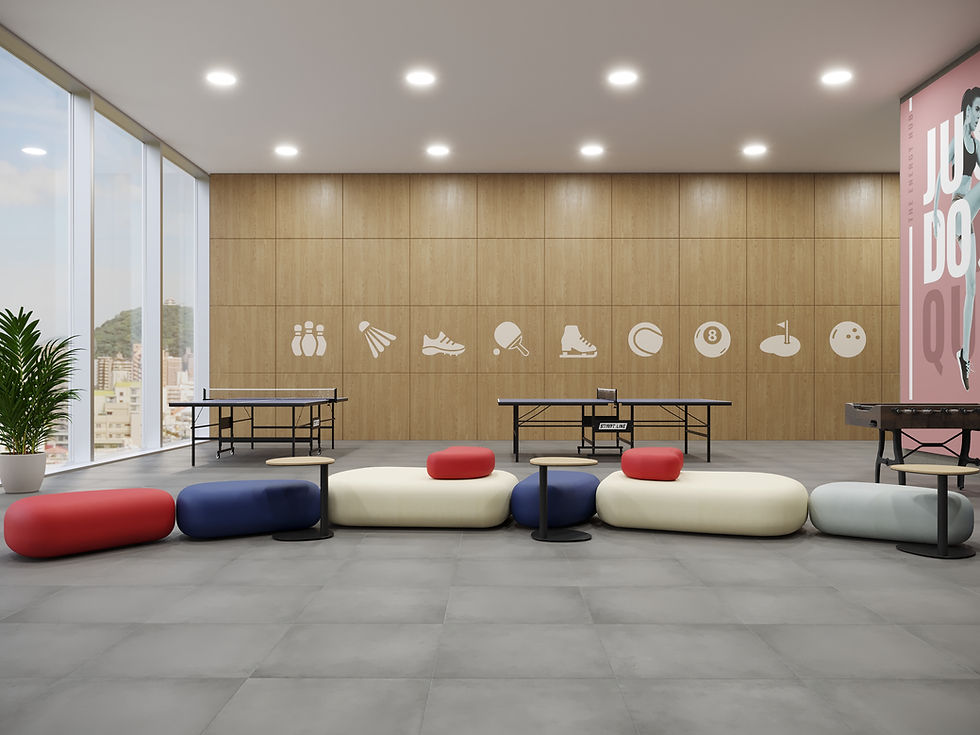
You might not be furnishing a DoDEA school, but the same questions apply in universities, airports, libraries, museums, recreation facilities and other busy public spaces.
How often will the furniture be used? Who will be using it? How might the space change?And what happens several years after installation?
The best time to think about those questions is before the furniture is specified.
Because looking good on day one is only part of the job. The real test is how well it continues to work once the space is being used every day.


Comments